Effective Methods for Keeping Your Food Prep Area Safe
Contamination in the kitchen can lead to serious health risks, making thorough cleaning a top priority. With proper practices and attention to detail, you can greatly reduce these risks. This guide explores essential steps, best practices, and industry standards for maintaining a hygienic food preparation environment. By understanding how to clean effectively and regularly, you will keep both your family and guests safe from potential hazards.
The Importance of Regular Cleaning to Prevent Health Hazards
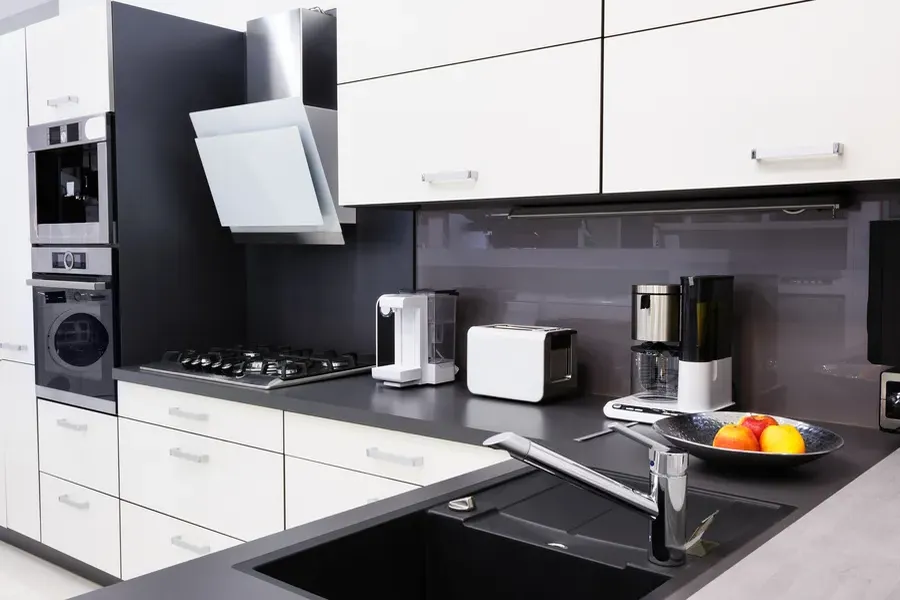
Regular cleaning plays a crucial role in preventing contamination in your kitchen. Bacteria and germs thrive in unclean environments, which can cause foodborne illnesses. Implementing a consistent kitchen cleaning routine ensures that surfaces remain free from harmful pathogens. This not only protects those who eat there but also extends the lifespan of your appliances and utensils by keeping them in good condition.
Identifying Common Problem Areas in Kitchens
There are several areas in kitchens where dirt and bacteria commonly accumulate. These include countertops, cutting boards, sinks, and floors. Each surface requires specific cleaning methods to ensure thorough sanitation. For example, cutting boards should be cleaned with hot water and soap immediately after use to prevent cross-contamination.
Best Techniques for Effective Surface Sanitation
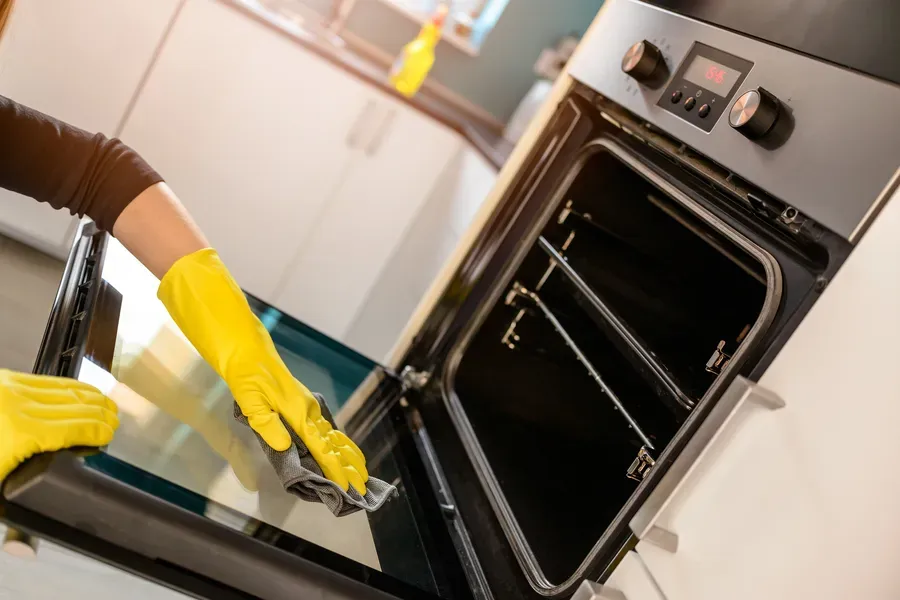
To maintain a sanitary kitchen, certain techniques should be employed during cleaning tasks. First, always start by clearing debris with a clean cloth or paper towel. Use disinfectant solutions on countertops and other high-touch surfaces. Ensure dishcloths and sponges are replaced frequently to avoid spreading bacteria. Finally, allow all sanitized surfaces to air dry completely before use.
Implementing Best Practices With Industry-Standard Tools
Using the right tools enhances the effectiveness of your cleaning efforts. Consider using microfiber cloths, which trap more particles than regular cloths. Ensure that mops and brooms are stored properly to avoid mold growth. Additionally, check labels on cleaning products to ensure they meet safety regulations for food prep areas.
- Microfiber cloths: effective at trapping dust and particles
- Proper storage of mops: prevents mold growth
- Regulated cleaning products: safe for food preparation areas
Navigating Regulatory Standards and Compliance Needs
Adhering to regulatory standards ensures your kitchen meets health safety requirements. The Food and Drug Administration (FDA) provides guidelines for sanitizing food contact surfaces. Make sure your cleaning practices align with these standards to minimize contamination risks and ensure compliance.
Cost-Effective Strategies for Maintaining Cleanliness
Maintaining a clean kitchen does not have to be expensive. Opt for multipurpose cleaners that can tackle various surfaces, reducing the need for multiple products. Regular maintenance also prevents costly repairs due to neglect. Investing time in daily upkeep saves money and promotes a healthier environment.
Final Steps Towards a Safer Kitchen Environment
By adopting these strategies, you can create a safer kitchen environment while minimizing contamination risks. Consistent cleaning routines and the use of industry-standard tools significantly improve hygiene levels. Contact Great Day Services LLC today at (706) 366-2539 for expert advice on maintaining a clean kitchen. Based in Columbus, GA, our team is dedicated to helping you achieve the highest standards in kitchen safety.